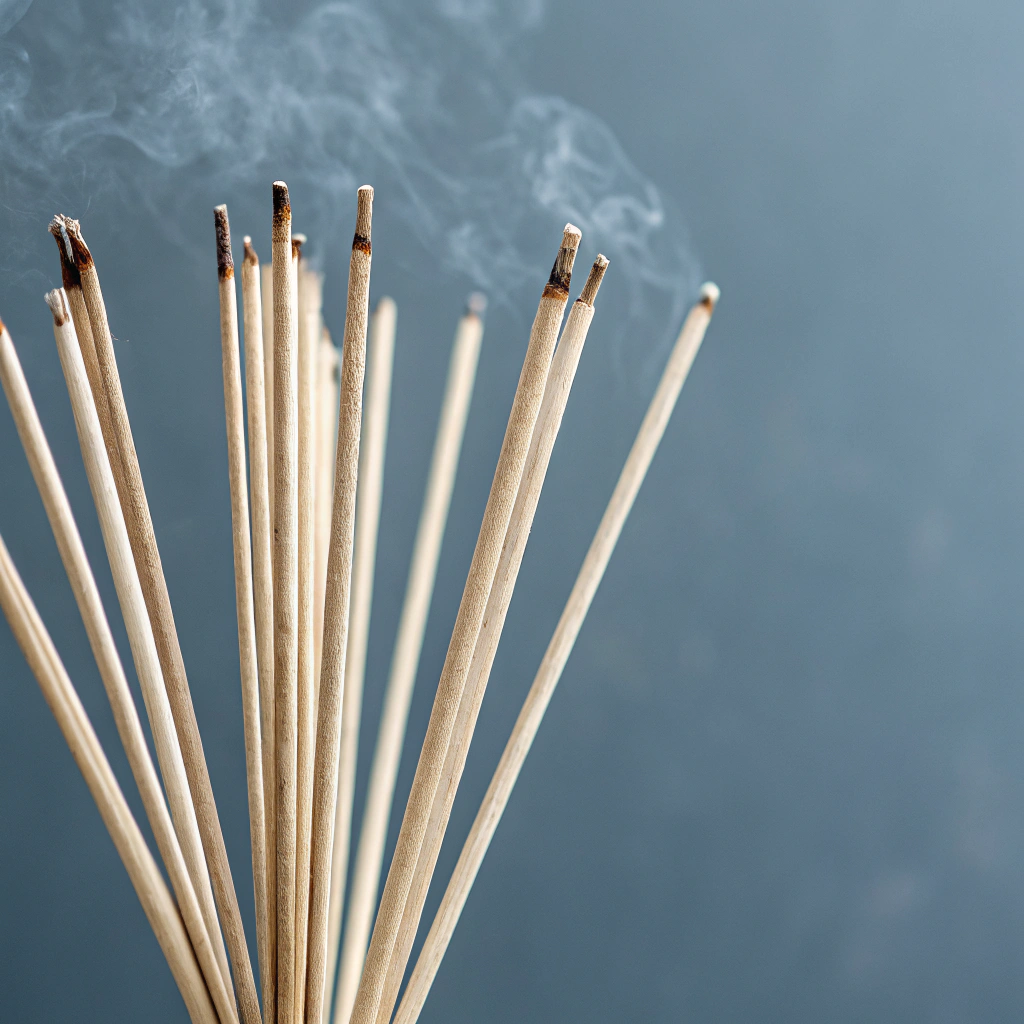
Incense has been a cornerstone of Taoist practice for millennia, used to purify space, convey prayers, and invite divine presence. With an expanding selection available online, beginners often wonder how to choose the right incense for their home blessings. This guide walks you through the essential factors – fragrance, composition, intention, and proper burning technique – to help you select the perfect stick, coil, or cone.
Understanding the Role of Incense in Taoist Rituals
In Taoism, incense serves three primary purposes:
- Purification: The rising smoke clears negative energy, creating a sanctuary for spirit communion.
- Communication: Fragrant aromas act as a medium, delivering prayers to the heavens.
- Presence: The scent anchors the deity’s energy within the physical realm, making blessings tangible.
Key Ingredients and Their Symbolism
| Ingredient | Symbolic Meaning | Typical Use |
|---|---|---|
| Sandalwood (檀香) | Purity and longevity | General blessing, meditation |
| Jujube (枣木) | Fertility and abundance | Prosperity rituals |
| Mugwort (艾草) | Protection against evil | Healing and warding |
| Cinnamomum (肉桂) | Warmth and joy | Celebratory occasions |
| Frankincense (乳香) | Spiritual connection | Deep meditation |
Matching Scent to Intention
Below are three common intentions and the incense blend that best supports each:
- Peace and Calm: Sandalwood + subtle hints of lavender – gentle, earthy, promotes serenity.
- Prosperity and Wealth: Jujube + cinnamon – sweet and spicy, awakens the prosperity chakra.
- Healing and Protection: Mugwort + frankincense – sharp yet grounding, clears stagnation.
How to Test Incense Before Purchase
When browsing our Online Store, follow these steps to ensure you select a quality product:
- Light a small portion of the stick and let it burn for 10 seconds.
- Observe the color of the ash – true high‑grade incense produces a fine, white‑gray ash.
- Assess the fragrance – it should be smooth, without harsh chemical notes.
- Check the burn time – longer burn equals better value; a standard stick should last 30‑45 minutes.
Proper Burning Technique for Maximum Effect
Even the finest incense loses potency if not burned correctly. Follow this ritual:
- Preparation: Clean the altar, arrange a incense holder (ceramic or bronze) and a small bowl of water.
- Lighting: Light the tip, let the flame bloom, then gently blow it out, leaving a glowing ember.
- Offering: Place the ember into the holder, watch the smoke rise, and recite your intention silently or aloud.
- Conclusion: When the incense finishes, allow the ash to cool before disposing of it in a natural setting (garden soil is ideal).
Featured Incense Selections from 昭福閣
Here are three curated products from our store, each paired with a recommended purpose:
1. Golden Sandalwood Sticks – “Aura Purifier”
Infused with real gold dust, these sticks emit a subtle metallic shimmer when burned, enhancing the sacred space for meditation.
2. Crimson Jujube & Cinnamon Coil – “Prosperity Spiral”
Designed for New Year celebrations, the coil releases a continuous warm aroma that attracts wealth energies.
3. Moonlit Mugwort Cones – “Healing Beacon”
Each cone contains hand‑picked mugwort leaves, perfect for cleansing a room after illness or stressful events.
Frequently Asked Questions
Can I use incense if I have allergies?
Choose unscented or lightly scented varieties, and ensure proper ventilation. Our store provides hypoallergenic sandalwood options.
Is there a specific time of day for burning incense?
Morning sunrise and evening sunset are traditional, aligning with the Tao’s natural cycles, but you may light incense whenever you feel the need for spiritual focus.
How often should I replace incense on my altar?
Replace burnt incense after each ceremony. For daily ambient use, a fresh stick each evening keeps the sacred energy refreshed.
Final Thoughts
Choosing the right incense enhances both the aesthetic and energetic atmosphere of your home. By aligning fragrance with intention, you honor the Taoic principle of harmony – a simple yet profound step toward a more balanced life.
Keywords: Taoist incense, incense selection guide, home blessings, spiritual purification, incense ingredients, 昭福閣 online store