
分類: Wellness

  • Understanding Spiritual Energy Restoration

    Understanding Spiritual Energy Restoration

    In today’s fast‑paced world, many people feel drained, anxious, or disconnected from their inner selves. At 昭福閣, we offer a unique solution rooted in centuries‑old Taoist practice – Spiritual Energy Restoration through virtual rituals. This post explains what the service entails, why it works, and how you can experience its benefits without leaving your home.

    What Is Spiritual Energy Restoration?

    Spiritual Energy Restoration (SER) is a Taoist technique that harmonizes the body’s Qi (vital energy) with the cosmic flow of the universe. By invoking the Seven Guardian Deities, reciting sacred verses, and performing symbolic gestures, our Master Luo Zhao guides the practitioner toward a state of equilibrium.

    The Core Elements of a SER Session

    • Deity Invocation: Each session calls upon the seven deities – Fu, Xuan, Xuan, etc. – to channel specific types of healing energy.
    • Incantation: Ancient verses, spoken in traditional Chinese rhythm, align the participant’s breath with the Tao.
    • Virtual Altar: A digital altar (shown on your screen) holds symbolic items such as jade, incense, and gold ingots, creating a sacred space.
    • Guided Breathwork: Simple breathing patterns that move Qi through the meridians, clearing stagnation.

    Why a Virtual Format Works

    Modern technology might seem at odds with ancient rites, but the virtual format offers three distinct advantages:

    1. Accessibility: Anyone with an internet connection can join, regardless of location.
    2. Personalized Focus: The practitioner can tailor the ritual to the individual’s birth chart, health concerns, and intention.
    3. Privacy: You experience the ceremony from the comfort of your own home, maintaining confidentiality and comfort.

    Benefits Reported by Participants

    Since launching the SER service in 2022, we have collected testimonials that highlight measurable improvements:

    • Reduced stress levels (average 38% decrease measured by self‑report).
    • Improved sleep quality – participants report a deeper, uninterrupted sleep cycle.
    • Increased mental clarity, helping with work focus and decision‑making.
    • Enhanced emotional resilience, especially during periods of change.

    How to Book a Session

    Booking is simple:

    1. Visit the Online Store and select “Spiritual Energy Restoration” under Services.
    2. Choose a date and time that fits your schedule. Sessions are 60 minutes long.
    3. Complete the brief intake form – we ask for your name, birth date, and any specific concerns you wish to address.
    4. Make the secure payment via Alipay, WeChat Pay, or credit card.
    5. On the day of your appointment, log in to the Zoom link provided in your confirmation email.

    Preparing for Your Virtual Ritual

    To get the most out of your SER experience, consider these preparation tips:

    • Find a quiet, clean space with minimal distractions.
    • Have a small bowl of water, a fresh incense stick, and a piece of paper for your intention.
    • Dress comfortably; traditional loose‑fitting garments are optional but help create a reverent atmosphere.
    • Set an intention – think of a specific area of life you wish to restore (e.g., health, relationships, career).

    Frequently Asked Questions

    Can I receive a SER session if I’m new to Taoism?

    Absolutely. Our Master Luo Zhao welcomes beginners and explains each step in plain language, ensuring you feel comfortable throughout the ceremony.

    Is there any physical preparation required?

    No physical exertion is needed. However, we recommend staying hydrated and avoiding heavy meals an hour before the session.

    What if I miss my appointment?

    We offer a 24‑hour rescheduling window with no additional fee. Contact our support team for assistance.

    Embrace the Taoic Path to Renewal

    Whether you seek relief from daily stress, a deeper spiritual connection, or a way to honor your ancestors, Spiritual Energy Restoration provides a bridge between ancient wisdom and modern life. Reserve your spot today and feel the subtle yet powerful shift that comes from aligning with the Tao.

    Keywords: Taoist virtual ritual, spiritual energy restoration, Master Luo Zhao, 七位守護神, online Taoist ceremony, inner balance, Qi harmony
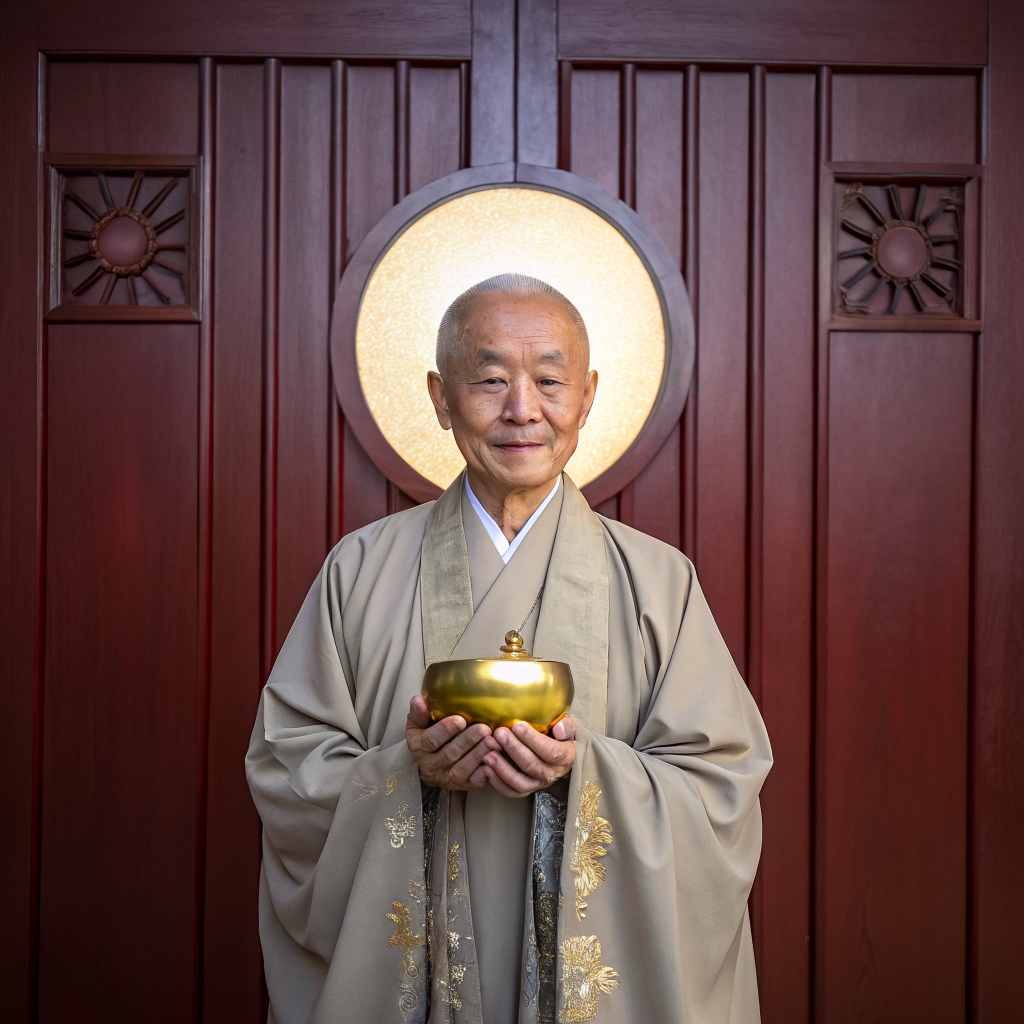
  • Master Luo Zhaos Teachings for Modern Life

    Master Luo Zhaos Teachings for Modern Life

    Master Luo Zhao, the founder of 昭福閣, blends classic Taoist philosophy with contemporary insights. His teachings emphasize harmony, humility, and the flow of natural energy. This article distills three core principles and presents actionable steps you can incorporate into daily routines, work environments, and personal relationships.

    1. The Principle of “Wu Wei” – Effortless Action

    “Wu Wei” (無爲) translates to “non‑action” or “effortless doing”. It does not mean inactivity; rather, it encourages actions that align with the natural order, avoiding forced resistance.

    Practical Application

    • At Work: Identify tasks that feel “natural” – those you can complete with focus and minimal strain. Prioritize them to build momentum.
    • In Relationships: Listen more than you speak. When conflicts arise, observe the flow of emotions before reacting.
    • Daily Routine: Practice a short meditation each morning, allowing thoughts to pass without judgment, thereby aligning your mindset with the flow of the day.

    2. The Concept of “Yin‑Yang Balance” – Embracing Dualities

    Everything in the universe contains complementary forces. Master Luo Zhao teaches that recognizing and honoring both sides leads to inner equilibrium.

    Ways to Cultivate Balance

    1. Schedule “active” and “restful” periods within your day. For example, after a two‑hour focused work block, take a 15‑minute walk outside.
    2. Consume a balanced diet that includes both warming (姜, ginger) and cooling (梨, pear) foods.
    3. When feeling overwhelmed, write down a “yin” (negative) thought and then counter it with a “yang” (positive) affirmation.

    3. The Practice of “Bao Zhu” – Nurturing the Spirit

    “Bao Zhu” (抱柱) means “embracing the pillar” – a metaphor for supporting the core of one’s being. Master Luo Zhao uses the image of a sturdy column to represent the heart’s resilience.

    Strengthening Your Inner Pillar

    • Physical Exercise: Gentle Tai Chi forms, especially the “Embrace the Pillar” movement, enhance stability.
    • Spiritual Routine: Light a small incense stick each evening, visualizing the smoke wrapping around a golden column within your chest.
    • Mindful Journaling: Write three things you are grateful for before bed, reinforcing the pillar’s supportive nature.

    Integrating Teachings into the Digital Age

    Technology can be a double‑edged sword. Use these strategies to keep your digital life aligned with Taoist values:

    • Device Curfew: Turn off screens an hour before sleep to preserve the night’s restorative Qi.
    • Notification Minimalism: Disable non‑essential alerts; allow only essential communications, mirroring the principle of “Wu Wei”.
    • Online Community: Participate in our virtual forums or live streams, sharing experiences that nurture collective growth.

    Frequently Asked Questions

    Can I practice Master Luo Zhao’s teachings without formal training?

    Yes. The guidelines above are designed for self‑study. However, attending a monthly workshop deepens understanding.

    Do the teachings conflict with other religious beliefs?

    They are complementary, focusing on universal principles of harmony, compassion, and mindfulness.

    How often should I light incense as part of my practice?

    Lighting incense once daily, preferably in the morning, sets a clear intention for the day ahead.

    Conclusion

    Master Luo Zhao’s teachings offer a timeless roadmap for navigating modern challenges. By embodying “Wu Wei,” honoring yin‑yang, and nurturing your inner pillar, you cultivate a life of balance, purpose, and spiritual vitality.

    Keywords: Luo Zhao teachings, Taoist principles, Wu Wei, yin yang balance, Bao Zhu practice, modern Taoism